HBOT · Lowell, Arkansas
Hyperbaric Oxygen Therapy in Northwest Arkansas
Pressurized 100% oxygen delivered to every cell — supporting wound healing, brain recovery, and longevity. Serving Lowell, Rogers, Bentonville, Springdale, and Fayetteville from our clinic at 213 W Monroe Ave, Suite P, Lowell, AR 72745.

What is HBOT?
Hyperbaric medicine is a treatment in which an ambient pressure greater than sea-level atmospheric pressure forces oxygen into the cells of the body. HBOT has many indications and has been used for healing of many types.
Our clinic combines HBOT with stem cell regenerative therapy to enhance effectiveness. A 2005 study showed that HBOT increases stem cell activity 8-fold after 20 treatments.
Hyperbaric therapy was originally developed for deep-sea divers suffering from air embolisms after a too-rapid ascent. Many people say the chamber looks like a small submarine.


The dive
From 1 ATA to 2 ATA — and back.
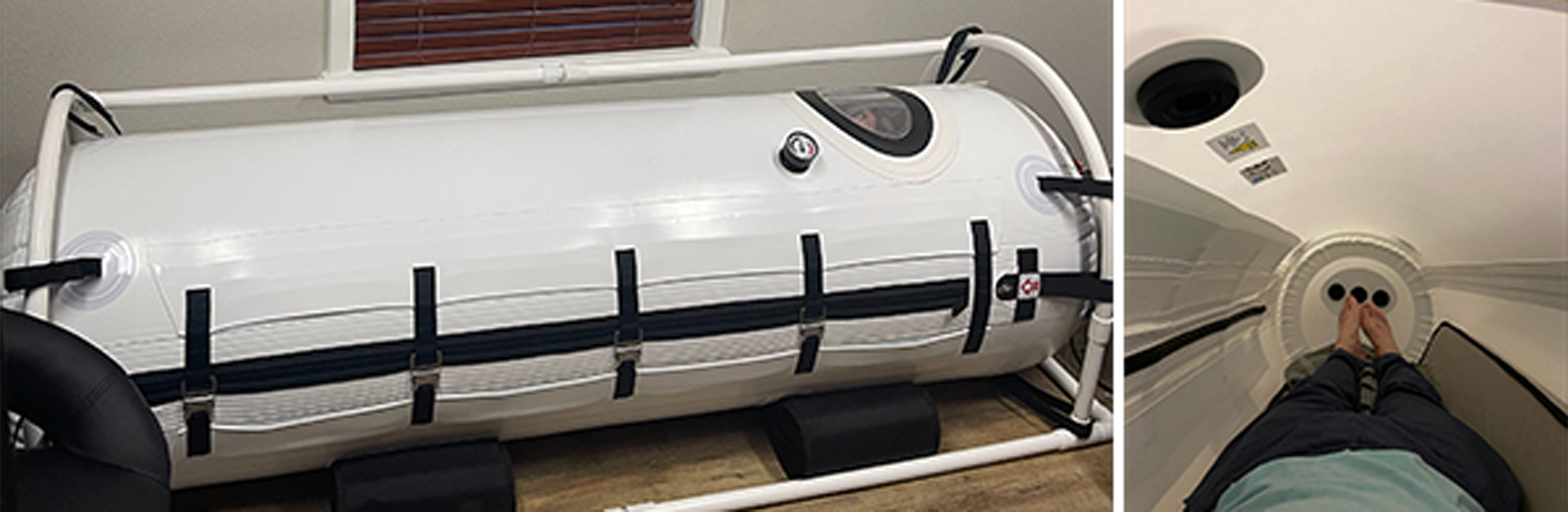
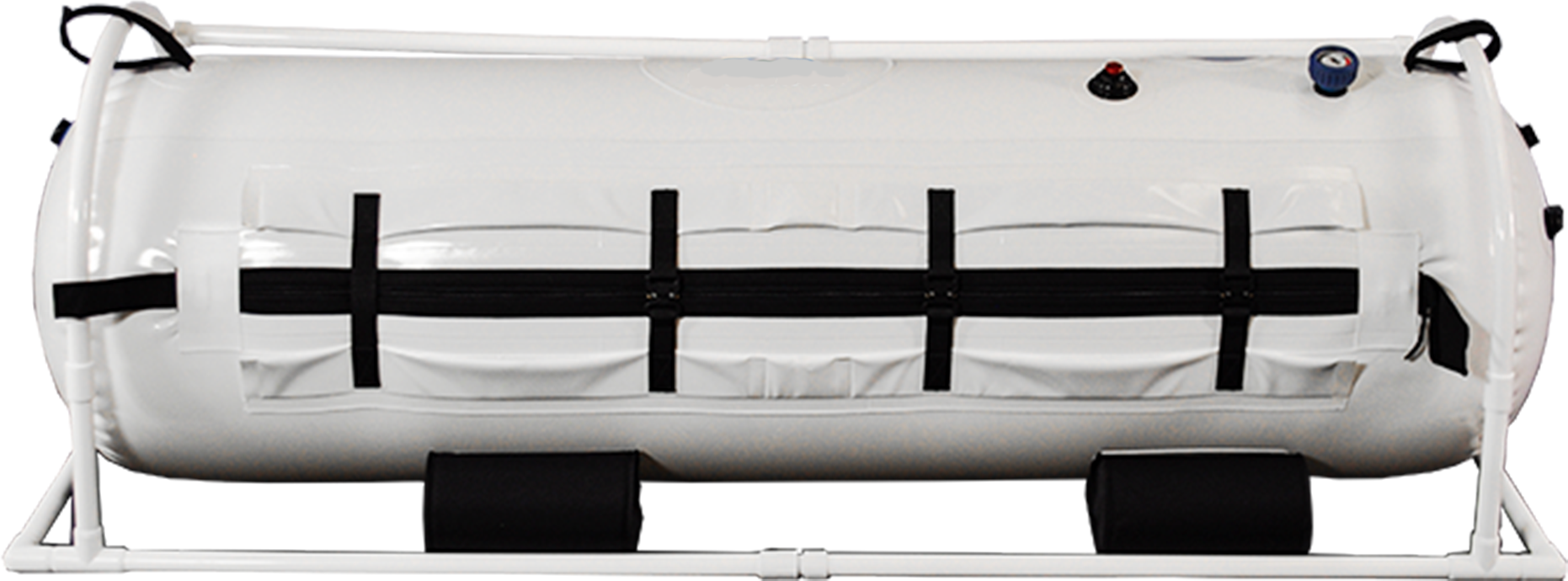
The chamber is a firm-shelled pressure vessel made of welded thermoplastic polyurethane (TPU), Kevlar, and aluminum, with acrylic view ports. There's a hatch, an airtight door, and a mattress pad so you can comfortably nap or read.
A nurse remains visible through the view port. Our two-way intercom keeps the technician in constant communication with you. Once your oxygen mask is fitted, the "dive" begins — 99–100% pure O₂ flowing in.
Normal room air at sea level is about 15 psi — that's 1 ATA (one atmosphere absolute). Most treatments take you down to about 2 ATA (≈ 30 psi, about the same as your car tires). You'll be coached to swallow so the air pressure equalizes in your ears. After your time, the 10-minute "ascent" back to 1 ATA begins.
The science
A 10-fold increase in oxygen to your cells.
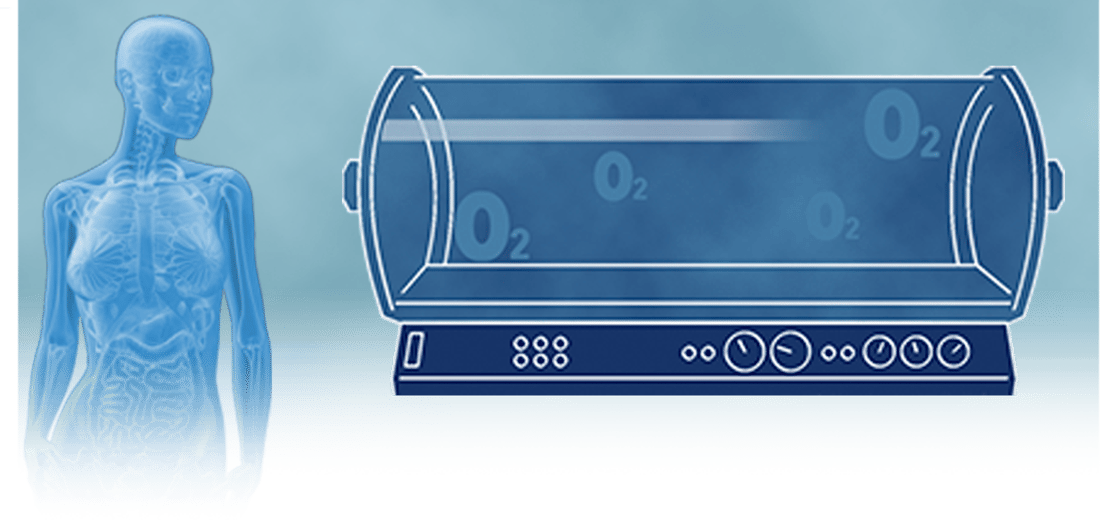
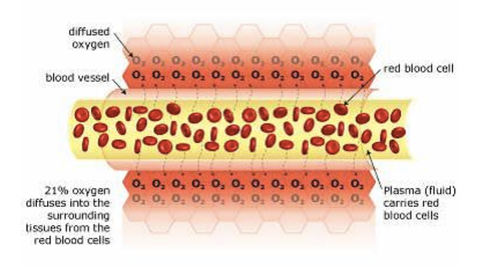
Increased pressure plus 100% oxygen forces O₂ to dissolve in the liquid part of your blood. This "hyper-oxygenated" blood reaches every tissue at up to 10× normal concentration — enough to sustain life with no red blood cells at all.
Room air is ~20% oxygen. 100% oxygen is a 5× increase. At 2 ATA (double the air pressure), the effect doubles again — net 10× delivery to your cells.
Greatly increased oxygen concentration in all body tissues — even with reduced or blocked blood flow.
Stimulates the growth of new blood vessels in areas with reduced circulation (after stroke or head injury).
Rebound arterial dilation — improves blood flow to compromised organs.
Adaptive increase in superoxide dismutase (SOD), one of the body's principal internal antioxidants.
Enhanced white blood cell action — helps your immune system clear stubborn chronic infections.
Stimulates the release of adult stem cells that promote tissue regeneration and healing.
Where HBOT helps
Used for chronic, vascular, and neurologic conditions.
HBOT has gained importance in chronic degenerative health problems related to atherosclerosis, stroke, peripheral vascular disease, diabetic ulcers, wound healing, cerebral palsy, brain injury, multiple sclerosis, macular degeneration, and many other disorders. Wherever blood flow and oxygen delivery to vital organs is reduced, it can be improved with HBOT.
When the brain is injured by stroke, cerebral palsy, or trauma, HBOT may re-activate the stunned parts of the brain to restore function. Patients with cerebral vascular disease often recover from complications of stroke more readily after HBOT. The same holds true for potentially gangrenous legs and feet caused by blocked circulation, and for slow-healing diabetic ulcers — HBOT relieves pain, helps fight infection, and keeps threatened tissues alive.
Before you start
What to expect.
Benefits build with a series of treatments. We call our sessions "dives" because the chamber is pressurized to 2.2 ATA — the equivalent of scuba diving down 40 feet of seawater.
Don't arrive sick.
Your treatment may be delayed if you have a cold, fever, high blood pressure, GI symptoms, or flu-like illness. A cold can affect ear-clearing, which could lead to inner-ear injury.

Some medications should be avoided.
Oxygen can change the effects of certain medications — including some chemotherapies, a topical wound ointment, and a medication used in alcohol-use disorder. Tell your provider about everything you're taking.

Plan for an hour to ninety minutes.
Sessions are usually scheduled once a day, five days a week. Your physician may prescribe 5–20+ treatments depending on the condition and how quickly you respond.

It can feel like an airplane.
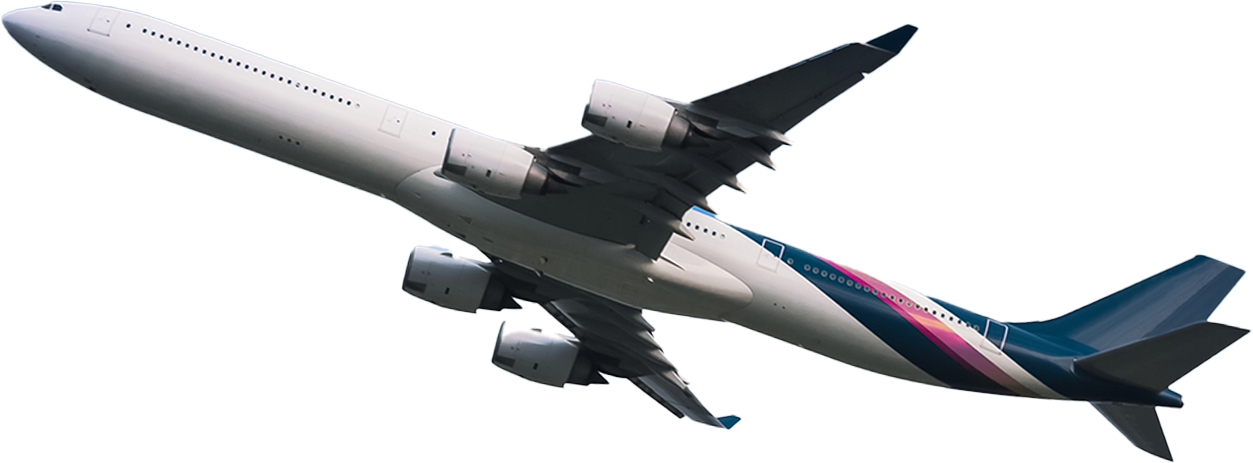
As pressure builds in the chamber, so does the pressure in your ears — you may feel an ear-popping sensation, just like takeoff or descent on a flight.
Possible side effects.
Feeling tired afterward is normal, as is mild ear, sinus, or fluid pressure. People with claustrophobia may feel anxious. Vision changes and finger numbness can occur but usually resolve during the treatment. Some patients feel light-headed or giddy from the pure oxygen.

In very rare cases, seizures or a collapsed lung can occur, and treatment can potentially increase the progression of cataracts. A collapsed lung would only occur if the patient had emphysema or another lung disease where air could be trapped in small blebs that burst with pressure changes — extremely rare.
Regeneration
Why salamanders regrow limbs.
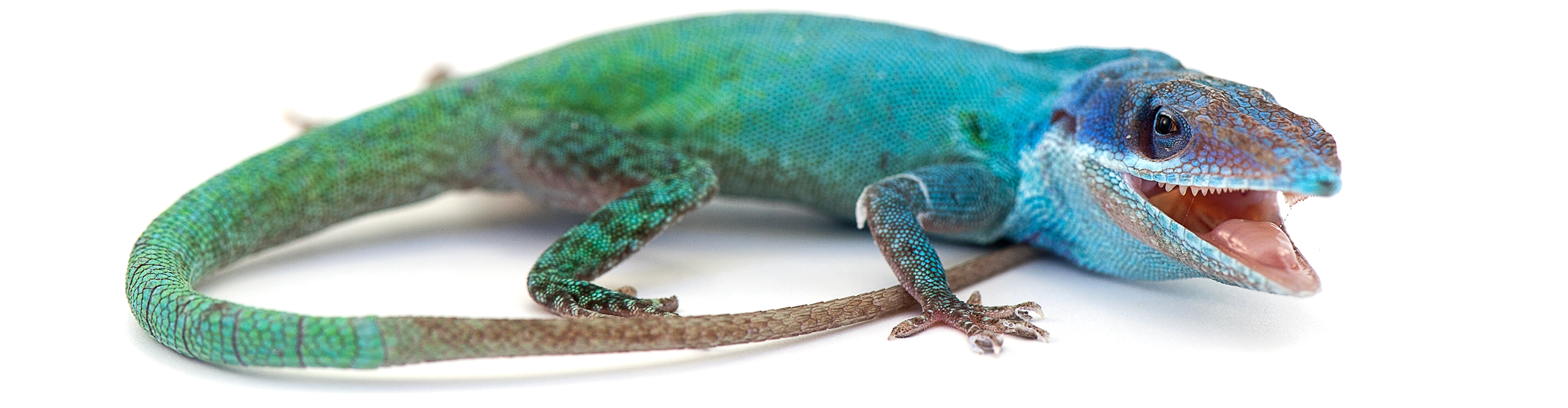
Have you wondered why lizards regenerate their tails after they drop them? Salamanders can regrow entire limbs and parts of major organs — including the heart. They're the only vertebrates that can replace complex body parts at any age.
Specialized immune cells (macrophages) and stem cells are critical in the early stages of limb regeneration. Macrophages also play a vital role in organ and tissue development in mouse embryos, signaling new growth and wound healing.
Hyperbaric oxygen can stimulate this response. No, you won't grow a tail — but you will regenerate tissue, heal, and improve many different conditions in our chamber.
Ready to take your first dive?
Schedule a consultation with Dr. Tammy and her team to see whether HBOT — alone or paired with regenerative therapy — is right for your goals.
Questions? Give us a call.
Our staff would love to help you choose the service that's right for you.